
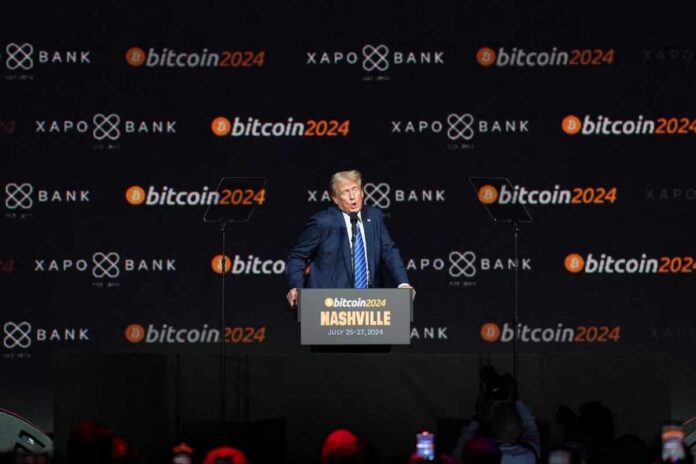
The chances that the U.S. crypto industry will win once-in-a-generation digital asset legislation are dimming, despite Senate Republicans promising to advance the bill when lawmakers return to Capitol Hill next month. In a blow for the crypto industry, the Senate left Washington on Saturday for the five-week August recess without a much-anticipated vote on the Clarity Act, which would create a regulatory framework for digital assets.
The deep-pocketed industry has spent hundreds of millions of dollars campaigning to advance the bill which they say will put crypto companies on a solid legal footing, although Democrats, some Republicans and other critics say it lacks tough money laundering and ethics safeguards.
With the bill facing continued opposition from key Democrats needed to clinch 60 votes, and the Senate logjammed with other business, Senate Majority Leader John Thune, a Republican, on Saturday pushed a procedural vote that could kickstart the process of advancing the bill to the Senate floor to September.
But many analysts and lobbyists are skeptical that it has a future. That’s because the November elections, in which the House of Representatives and roughly a third of the Senate are up for reelection, will dominate lawmakers’ attention and truncate Senate sessions during another busy stretch, leaving little time for lawmakers to resolve ongoing differences. “I think it’s a long shot,” said Brian Gardner, chief Washington policy strategist at Stifel, adding lawmakers do not appear to be close to an agreement, particularly on contentious ethics provisions.
‘AS FATAL AS A BULLET’
The Senate returns on September 14 and is scheduled to be in session for just 14 days before the October election recess, and a further 22 days before year end.
Thune on Saturday filed for “cloture,” setting up a September 15 vote on whether to limit debate on the bill and advance it to a full floor vote. That requires 60 votes, and will be a key test of whether the bill has a future. A failed cloture vote could effectively kill the bill, lobbyists said.
If it succeeds, Senate rules could then require days of procedural steps before a final vote, including debate and consideration of further amendments. Finding that time will be challenging, as the chamber usually has to consider other essential defense and funding bills later in the year.

