
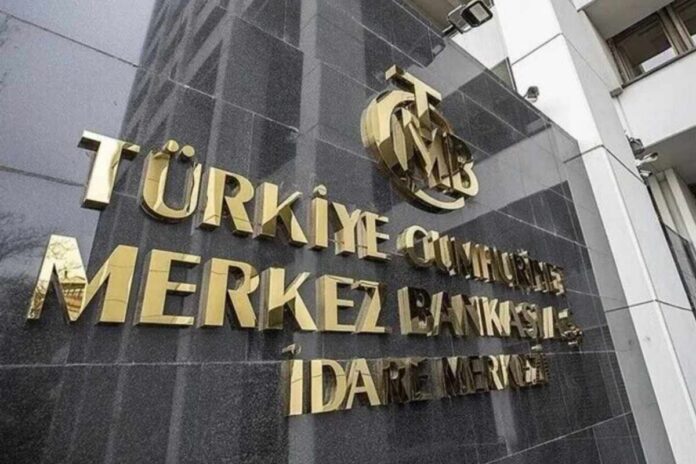
The Central Bank of the Republic of Turkey (TCMB) has issued a regulation allowing payment and electronic money institutions to use biometric data or identity documents with electronic identity verification features for customer identity verification via remote communication tools.
The “Communiqué Amending the Communiqué on Information Systems of Payment and Electronic Money Institutions and Data Sharing Services in the Field of Payment Services of Payment Service Providers,” issued by the Central Bank of the Republic of Turkey, has been published in the Official Gazette and entered into force.
Accordingly, payment and electronic money institutions will be able to use the biometric data of the person whose identity is to be verified during the identity verification and contract establishment processes carried out via remote communication tools.
In remote identity verification processes, the expression previously limited to “document” has been amended to “identity document,” introducing new regulations for processes conducted through remote communication tools by customers.
Tests regarding the originality, integrity, wear, and tampering status of the identity document and the data and information contained within it—particularly photographs and signatures—along with the visual inspection process of the front and back sides of the identity document, will be recorded uninterruptedly.
The identity verification of real persons who are not Turkish citizens will be conducted via remote identity verification using a passport that complies with the International Civil Aviation Organization (ICAO) Doc 9303 standard and features near-field communication (NFC) capabilities, in accordance with the principles of the General Communiqué of the Financial Crimes Investigation Board (MASAK).

