
Drawing on the efficiency of its digital business model, Enpara Bank has announced a target to reduce its direct and indirect net carbon emissions by 65% by 2036. Set with reference to scenarios aligned with the goal of limiting global warming to 1.5°C, the 10-year commitment is a key part of the bank’s approach to leading the transition to a low-carbon economy.
Enpara Bank, which continues to offer its customers innovative, end-to-end digital banking services, has announced its greenhouse gas emission reduction target as part of its sustainability approach. Treating sustainability as an integral part of its business model, the bank aims to cut the direct carbon emissions from its own operations and the indirect carbon emissions from its energy consumption by 65% by 2036.
The target, set for the next 10 years, was developed in line with global climate planning and scientific assessments, taking into account scenarios aligned with the goal of limiting global warming to 1.5°C. With this target, the bank aims to reduce the environmental impact of its operations and support its long-term sustainability approach in a measurable way.
“We combine the efficiency of digital banking with our environmental responsibility”
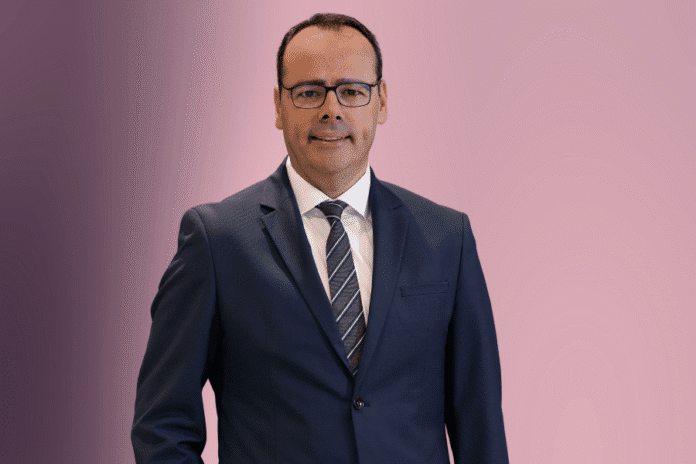
Cumhur Türkmen, General Manager of Enpara Bank, said: “At Enpara Bank, while offering a simple and efficient banking experience that makes our customers’ lives easier, we see fighting climate change and reducing the environmental impact of our operations as part of our responsibility. We also reflect the efficiency of our branchless, 100% digital business model in our approach to energy and resource use. In line with this, we are committed to reducing our direct net carbon emissions and the indirect net carbon emissions from our energy consumption by 65% by 2036. Next week, our country will host the United Nations Climate Change Conference (COP31) in Antalya. Coinciding with this historic summit, which will raise critical global awareness of the fight against climate change, we aim to actively contribute to the process with this step, which supports the 2050 Net Zero target set by our parent company QNB Group and Türkiye’s 2053 net zero target.”