Home Blog Page 16

Syria approves new electronic payment and money transfer system

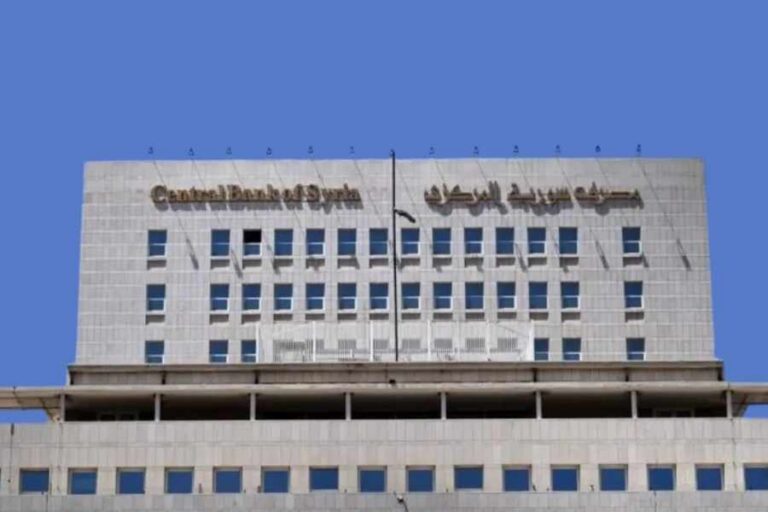
The Central Bank of Syria has announced the approval of a new electronic payment and money transfer system, authorised under a presidential decision. The initiative is intended to modernise the country’s financial infrastructure and expand digital transaction options for both individuals and businesses.

Framework structure and scope

According to the central bank, the new system is designed to build a modern national payments infrastructure, facilitate money transfers, and broaden the range of available payment options. The bank clarified that the framework does not eliminate the use of cash, nor does it mandate the use of any specific payment method.

The regulatory structure establishes technical and operational rules covering three main categories of participants: payment service providers, electronic money providers, and payment system operators. In addition to defining these categories, the framework is intended to open the payments sector to greater competition, investment, and financial technology innovation.

A notable feature of the new regulatory approach is the provision for a supervised testing environment, allowing new financial products and services to be trialled under regulatory oversight before wider market introduction. This approach is commonly associated with regulatory sandbox models used in other jurisdictions to balance innovation with consumer and systemic safeguards.

Governance and risk considerations

The Central Bank of Syria stated that the framework also sets standards for governance, risk management, cybersecurity, and consumer protection. These provisions support the operational integrity of the payment ecosystem as new providers and services are introduced under the regulatory structure.

Looking ahead, the central bank indicated that the new system could eventually support the integration of Syria’s financial infrastructure with regional and international payment systems. However, this would remain contingent on meeting legal, technical, and commercial requirements. The bank was explicit in stating that the current approval does not mean international transfers or cross-border payment links will become immediately available.

SEON finds World Cup betting fraud shifted to cash-out

SEON has reported that World Cup betting and gaming fraud moved from registration to cash-out, with suspicious withdrawals rising 38% compared to 2025.

Fraud prevention and anti-money laundering (AML) technology company SEON has published an analysis of betting and gaming operator data collected during the 2026 FIFA World Cup, concluding that fraud pressure during the tournament concentrated at withdrawal stage rather than at registration, as is typically expected around major sporting events.

According to SEON, though as assumed, the registration volume did increase, betting and gaming operators also deliberately reduced sign-up friction to remain competitive for new players. That resulted in a 16% fall in sign-up block rates.

Suspicious withdrawal activity increased across every region measured. SEON attributes this to withdrawals flagged for unusual size or timing, including single high-value requests made from accounts with no prior withdrawal history. The average value of a flagged withdrawal more than doubled, from USD 202 to USD 436, indicating a shift by fraudsters from numerous small-value attempts towards fewer, higher-value exits.

Dormant accounts reactivated for coordinated withdrawals

The report identifies dormant accounts, previously verified but inactive, as a central indicator of fraud during the tournament. SEON recorded an 83% increase in daily identity mismatches linked to dormant accounts reactivating across its network, rising to 118% in Latin America. These accounts had completed verification well before the tournament began. When reactivated, often on unfamiliar devices, they were used to attempt high-value withdrawals. Credential-stuffing campaigns rose by 115% in Europe over the same period, a pattern SEON links to the exploitation of previously established account trust.

Latin America vs. Europe and North America

While registration blocks fell in most markets, Latin America recorded the opposite trend. Registration block rates in the region rose by 19%, and synthetic-identity blocks increased by 34% compared to baseline and by 64% in contrast to the 2025 control period. The company suggests this reflects existing detection rules responding to a surge in registration volume rather than a deliberate tightening of controls, with the region’s false-positive rate also rising under the increased load.

Standard Chartered and HSBC execute first Swift tokenised deposit deal

Standard Chartered and HSBC have completed the first live cross-border tokenised deposit transaction on Swift’s blockchain-based ledger.

The UK-based banks confirmed the transaction represents the first interbank use case executed on the infrastructure, following Swift’s announcement in July 2026 that its blockchain-based ledger was ready for initial use. At that stage, 17 banks across six continents had been named as participants preparing to pilot tokenised deposit transactions aimed at supporting 24/7 payment availability and liquidity efficiency.

How the transaction was processed

The transaction was performed through the exchange of payment messages between HSBC and Standard Chartered over Swift’s ledger. The obligations that resulted were registered as tokenised deposit obligations on two separate systems: HSBC’s Tokenised Deposit Service and Standard Chartered’s tokenised-deposit infrastructure.

Swift’s blockchain-based ledger functioned as an orchestration layer in the process, allowing the obligations generated by each bank to be matched and netted before final settlement took place through existing settlement systems.

Industry context and implications

Tokenised deposits usage in cross-border transactions is being explored across the banking industry to extend payment availability beyond standard operating hours and reduce the frictions associated with correspondent banking arrangements.

Lewis Sun, Head of Digital Currencies, HSBC, describes the transaction as confirmation that digital money issued by banks can move between institutions while remaining within existing regulatory oversight.

Furthermore, Craig Ramsey, Global Head, Account-to-Account Payments at ACI Worldwide, states that the live tokenised deposit transaction is proof of a concept converting to a practical application inside the existing financial system. Ramsey adds that the transaction’s significance doesn’t lie in the technology it is based on, but rather on the system’s capacity to increase liquidity across institutions.

DEUNA, PayPal expand partnership on unified checkout API

DEUNA, an agentic payments intelligence platform for enterprise commerce, has broadened its existing collaboration with PayPal to bring the full PayPal product suite into DEUNA’s payments infrastructure. The expanded agreement gives enterprise merchants access to PayPal Wallet, Venmo and PayPal’s Buy Now, Pay Later (BNPL) offering through a single API integration, in every market where DEUNA operates.

From regional collaboration to global rollout

The expansion builds on earlier work between the two companies on Express Checkout and PayPal Vaulting. That collaboration originated in Latin America, where, according to PayPal, it supported merchants across the region before evolving into what is now described as a global partnership. The companies stated that new product integrations are expected to be disclosed in the future, though no further detail was provided.

According to Baymard Institute, one in five online shoppers abandon a purchase because the checkout process is too long or complicated. Separate industry estimates referenced by the companies put the annual cost of poor checkout design at USD 260 billion in lost ecommerce revenue across the US and EU. For merchants operating in multiple markets, maintaining separate payment integrations for each product adds further operational complexity, a factor DEUNA and PayPal pointed to as a driver for the expanded partnership.

Through the agreement, merchants using DEUNA’s unified API can access PayPal Wallet, which the companies said has 439 million active accounts across approximately 200 markets. Venmo, a US-based social payments network with more than 90 million active users concentrated among younger consumers, is also included. PayPal’s Pay Later product, the companies said, processed more than USD 40 billion in total payment volume in 2025 across 60 million users globally, with 96% classified as repeat users.

Reducing integration overhead for enterprise merchants

Rather than building and maintaining separate connections for each PayPal product, merchants can activate the full suite through DEUNA’s existing API, which the companies said reduces engineering overhead when adopting new payment capabilities or expanding into additional markets. The partnership is aimed at enterprise merchants operating at scale, including global retailers, quick-service restaurant chains, travel and ticketing platforms, subscription businesses, and US-focused consumer brands.

Binance launches Agent OS to connect AI tools to trading

Binance has introduced Agent OS, a developer platform and standardised access layer designed to connect AI applications to the exchange’s trading, market data, wallet, payment, and on-chain capabilities across both crypto and traditional markets. The platform forms part of Binance Intelligence, the exchange’s initiative focused on AI-powered products and services, and is aimed at AI builders, fintech developers, and quantitative trading teams seeking a controlled environment for building applications and agents that interact with Binance’s financial infrastructure. Agent OS supports both pre-built integrations and developers’ own AI agents.

A standardised developer layer

Agent OS combines several existing Binance components, including its APIs, the Binance Wallet Agentic Hub, Binance x402 programmable payments, and the Binance Skill Hub, alongside newly introduced support for the Model Context Protocol (MCP). MCP is an open standard that allows compatible AI applications to connect with external tools. By integrating MCP into Agent OS, Binance provides developers and partners with a standardised method for linking their applications and agents to its platform, reducing the need to build separate integrations for each individual product or use case.

Through supported AI tools such as ChatGPT, Claude Code, Codex and Cursor, users can authorise agents to access market data, review account information and carry out supported trading activities, subject to permissions and limits that users configure themselves. Each agent can also be assigned to a dedicated subaccount, allowing funds and trading activity to be segregated from a user’s main account.

Jeff Li, VP of Product at Binance, said the platform addresses fragmentation in agentic finance development across crypto and traditional markets, noting that it is intended to provide developers and quantitative trading teams with consistent data access, low-latency infrastructure, and standardised interfaces to support AI-driven trading strategies.

User-controlled access and monitoring

Binance’s initial MCP implementation allows compatible AI applications to access market data, view read-only account information and place trades. Through the MCP server, users can assign an agent to a dedicated subaccount, configure its permissions and revoke its access at any time.

Avşar Gürdal Appointed as Mastercard President of Eastern Europe

Mastercard has made a high-level executive appointment for its Eastern Europe region, which is managed regionally from Istanbul. Avşar Gürdal, who previously achieved significant success as the General Manager for Mastercard Turkey and Azerbaijan, and later served as Senior Vice President of Strategy, Mergers & Acquisitions, Risk, and Analytics for Eastern Europe, Middle East, and Africa (EEMEA), will assume his new role as Mastercard President of Eastern Europe effective September 1. In this capacity, Gürdal will lead 12 countries across Europe and the Caucasus from Mastercard’s Eastern Europe regional hub in Turkey.

Leveraging his extensive experience across various leadership roles within Mastercard, Gürdal will focus on shaping and implementing business strategies throughout the dynamic and rapidly growing markets of Eastern Europe. His key objectives include driving regional growth priorities, strengthening client and business partnerships, and expanding innovative solutions within the payment technologies ecosystem to propel the company’s growth journey forward.

Istanbul Hub Reinforces Turkey’s Strategic Role

Mastercard’s Eastern Europe regional headquarters in Istanbul serves 12 countries in Eastern Europe and the Caucasus, handling strategy, business development, and client management activities for the region. This organizational structure reinforces Turkey’s strategic importance within Mastercard’s global and regional operations.

During his prior tenure as General Manager for Mastercard Turkey and Azerbaijan, Gürdal contributed significantly to executing the company’s strategic priorities in these markets, expanding digital payment solutions, and strengthening Mastercard’s presence in Turkey.

A graduate of Boğaziçi University’s Department of Mechanical Engineering, Gürdal also holds an MBA degree from Koç University.

Protel Holding and TKPAY join forces

Protel Holding and Turkish Airlines Electronic Money and Payment Services (TKPAY) have entered into a strategic partnership to streamline remote collection processes for hotel and restaurant businesses. Through this collaboration, businesses utilizing Simpra Link can now manage their remote collections easily and efficiently by accessing TKPAY’s payment infrastructure and advantageous commission rates through a single, unified panel.

Protel Holding, by collaborating with TKPAY—which operates with the goal of providing financial infrastructure to the travel ecosystem covering flights, accommodation, transportation, and dining—is integrating advanced payment solutions into the daily collection processes of hospitality businesses.

While businesses continue to manage their collections via the Simpra Link panel, they will now benefit from TKPAY’s payment infrastructure and favorable commission rates. The partnership aims to simplify collection processes, enhance operational efficiency, and deliver a more robust payment experience to customers.

“Leveraging Our Expertise in the HoReCa Sector”

Commenting on the collaboration, Protel Holding General Manager Cenk Temiz stated, “We position Simpra Link as a solution that allows businesses to manage their remote collection processes from a single center. We serve leading hospitality enterprises in Turkey and globally with our MICROS Simphony and Simpra POS solutions for the food and beverage industry, and our OPERA and Cloudbeds hotel management systems for the hospitality sector. Thanks to this collaboration with TKPAY, businesses using Simpra Link can take advantage of powerful payment infrastructure along with special, favorable commission rates for our customers. As two players with deep expertise in the HoReCa sector, we plan to realize significant further collaborations.”

“Innovative Financial Solutions for the Travel Ecosystem”

Mustafa Ekmen, General Manager of TKPAY, also shared his views on the partnership: “As TKPAY, a 100% subsidiary of Turkish Airlines, we act with the goal of offering innovative and strong financial solutions to the entire travel ecosystem. The hospitality and restaurant sectors form an inseparable part of this ecosystem. Through this partnership with Protel, we are integrating TKPAY’s payment infrastructure into the daily collection processes of businesses using Simpra Link. We aim to offer advantageous commercial terms and an efficient collection experience while simplifying the payment acceptance processes for businesses.”

Enhanced Efficiency with Simpra Link

Simpra Link is a digital solution that enables businesses to perform collections quickly and securely by sending payment links to guests via email or SMS. Simplifying the payment process particularly for hotels and food and beverage establishments serving international guests, Simpra Link records all transactions instantly, secures guest information, and reduces fraud risk.

This structure provides a more practical and lower-risk alternative to traditional mail-order methods, reducing the operational burden for businesses that receive payments from different locations or from abroad. Operating in integration with global business management systems, Simpra Link allows for the reporting of all transactions—from sales to payment—from a single point.

BKM announces July card payment data: Transaction volume reaches 3 Trillion TL

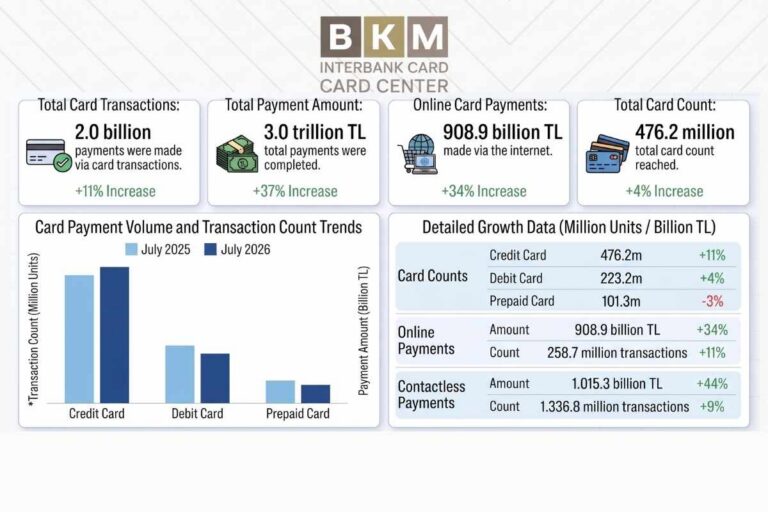
The Interbank Card Center (BKM) has released its card payment data for July 2026, revealing that the total transaction volume for credit cards, debit cards, and prepaid cards reached 3 trillion TL. The data highlights a total of 2 billion individual card payment transactions conducted throughout the month. Additionally, contactless payments accounted for four out of every five in-store transactions, while online card payments surged by 34% compared to the same period last year, reaching 908.9 billion TL.

4% Increase in Total Number of Cards

As of July, the total number of cards in circulation in Turkey reached 476.2 million, marking a 4% increase from 456.7 million in July 2025.

A breakdown by card type shows that the number of credit cards rose by 11% to 151.7 million, up from 136.7 million a year ago. Debit card numbers also saw a 4% increase, rising from 215.5 million to 223.2 million. Conversely, the number of prepaid cards declined by 3%, falling from 104.5 million to 101.3 million.

37% Growth in Card Payment Volume

The total volume of payments made via credit, debit, and prepaid cards in July grew by 37% year-on-year, reaching 2.9749 trillion TL (up from 2.1636 trillion TL in the same period last year).

Credit cards drove the bulk of this growth, with payment volume increasing by 38% to 2.5418 trillion TL. Debit card payments grew by 39% to 425.8 billion TL. In contrast, prepaid card payment volume dropped by 43%, falling to 7.3 billion TL.

Transaction Count Approaches 2 Billion

The total number of card payment transactions performed in July reached 2 billion (1.998 billion units), an 11% increase from the 1.8032 billion transactions recorded in the same period last year.

Credit and debit cards dominated the transaction volume, with credit card transactions rising by 12% to 1.1813 billion and debit card transactions growing by 12% to 783.5 million. Prepaid card transactions, however, fell by 35% to 33.2 million.

Strong Growth in Online Payments

Online card payments rose by 34% compared to the previous year, climbing from 678.4 billion TL to 908.9 billion TL. Online payments accounted for 30% of total card payment volume, while representing 13% of the total number of transactions.

Contactless Payment Volume Increases by 44%

The number of contactless transactions rose by 9% year-on-year to 1.3368 billion. The growth in the value of contactless payments was even more pronounced, surging by 44% to reach 1.0153 trillion TL. Despite a slight dip in the share of contactless payments within in-store transactions—moving from 81% last year to 80% this year—the data confirms that four out of every five in-store card payments are still conducted using contactless methods.

Rubikpara receives award at the 2026 Brandon Hall Group Excellence Awards for social impact initiative

Rubikpara, a TCMB-licensed electronic money and payment services institution and a subsidiary of Fuzul Holding, has achieved significant international recognition. The company was honored with the “Best Social Impact” award at the 2026 Brandon Hall Group Excellence Awards, one of the world’s most prestigious corporate excellence programs.

Rubikpara secured the award for an initiative that transforms internal corporate special events into sustainable efforts that create tangible social value. Moving beyond periodic, short-term corporate social responsibility (CSR) projects, this model integrates employees into the process, allowing internal company initiatives to evolve into wider-reaching community impacts.

By aligning employee experience with social benefit, Rubikpara aims to embed social responsibility into its core corporate culture, ensuring that meaningful internal moments are converted into lasting value for society.

International Recognition for Corporate Excellence

The Brandon Hall Group Excellence Awards, which recognize successful practices in human resources and corporate excellence globally, evaluate projects based on design, execution, and measurable impact by an independent panel of judges. The international recognition confirms Rubikpara’s commitment to creating value for society that extends well beyond its business operations.

Focused on simplifying financial processes for individuals and businesses through its fintech products and services, Rubikpara does not limit its corporate approach to its commercial solutions. The company prioritizes developing initiatives that contribute to society and maintains this philosophy as an integral part of its corporate culture.

Moving forward, Rubikpara aims to continue its efforts to create lasting value, striving to grow the impact of its financial technologies alongside its commitment to social responsibility.

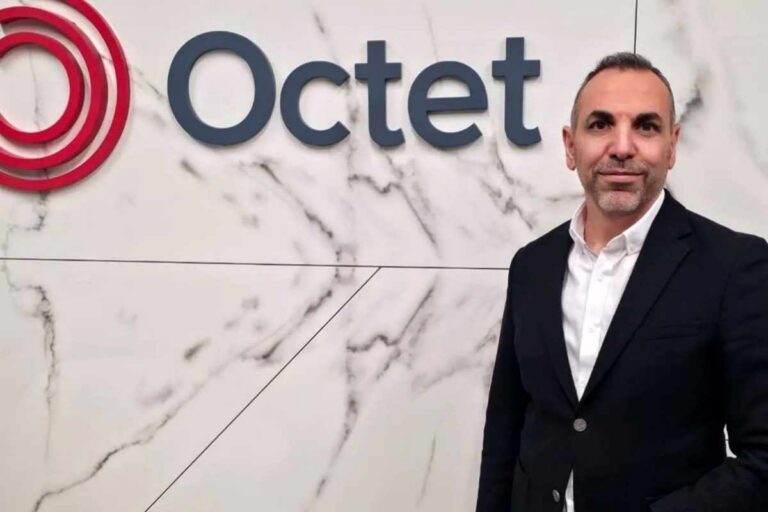
Octet Türkiye CRO Fırat Uysal: Financial vsibility has become a strategic power in corporate decision-making

As economic conditions become increasingly challenging, financial visibility has emerged as a strategic imperative for companies, according to Fırat Uysal, Chief Revenue Officer (CRO) of Octet Türkiye.

With the Central Bank of the Republic of Türkiye’s (TCMB) May 2026 Financial Stability Report indicating that the cash conversion cycle for BIST-listed companies reached 105 days in the first quarter of 2026, managing cash flow has become more critical than ever. The report highlights that rising financing costs, shifting demand compositions, and extended trade terms are the primary drivers behind this trend.

“Competitive Advantage Depends on Cash Flow Management”

Commenting on the shifting focus of financial management in the current economic climate, Fırat Uysal stated, “In an era characterized by high financing costs and longer trade terms, the core issue is how quickly and predictably companies can manage their existing resources.”

Uysal emphasized that maintaining a competitive edge now requires the ability to shorten collection periods, structure payment plans in alignment with cash flow, and track financial movements in real-time. “When cash flow is visible and predictable, it not only strengthens liquidity management but also enables companies to make sounder decisions regarding maturities, financing, and foreign exchange positions,” he added.

Unified Platform for B2B Payments and Collections

Octet Türkiye, a company licensed and regulated by the Central Bank of Türkiye, supports businesses in managing their financial operations through a unified platform that integrates B2B payment and collection processes. By connecting buyers, sellers, and financial institutions, the platform streamlines financial operations, allowing companies to collect receivables faster and manage various payment tools from a single point.

“We provide companies with a holistic view of their financial processes,” Uysal explained. “Our infrastructure, which includes Direct Debit Systems (DBS), Supplier Financing Systems (TFS), and Virtual POS integrations, helps companies—especially those with extensive dealer and supplier networks—transform their financial data into actionable insights for strategic decision-making.”

As companies increasingly rely on internal resources due to tighter external financial conditions, Uysal concluded that Octet Türkiye remains committed to empowering businesses to optimize their working capital and foster sustainable growth through improved financial transparency.