Home Blog Page 10

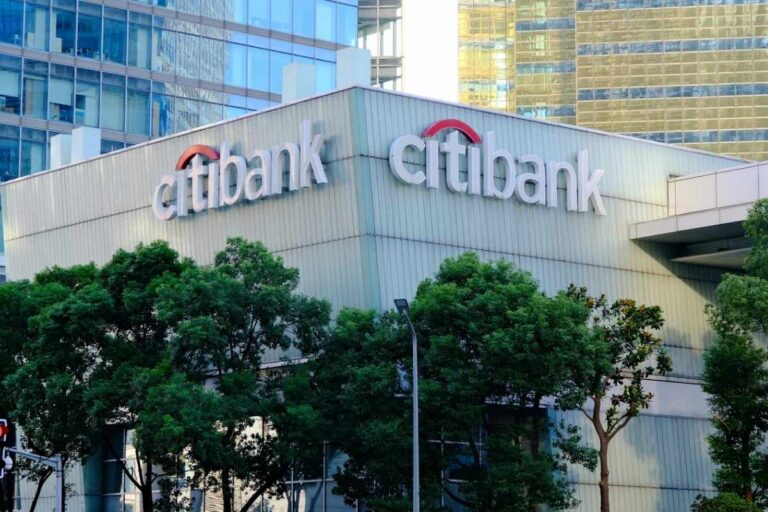
Citi reportedly nears China brokerage licence, doubles unit headcount

Citi has reportedly moved closer to obtaining a wholly-owned China brokerage licence, planning to double the unit’s headcount by the end of 2026. According to Reuters, the approval could arrive around the time Chinese President Xi Jinping is scheduled to visit Washington in late September 2026 to meet US President Donald Trump. Citi has declined to comment on the matter.

Expansion plans and timeline

Citi applied for the mainland Chinese brokerage licence in late 2021, as part of a broader effort to expand its presence in China, the world’s second-largest economy. Since then, the bank has been hiring in preparation for the launch. Citi plans to roughly double the unit’s headcount to around 100 employees by the end of 2026, combining internal transfers and external hires, including senior front-office bankers and support staff. Some employees are expected to relocate from Hong Kong and other Asian markets, alongside existing mainland China staff moving into the new unit.

Once licensed, the brokerage business would allow Citi to offer A-share brokerage, underwriting, research, and principal trading services in China’s onshore market. These services would complement the bank’s existing offshore-focused China investment banking operations, which support domestic companies raising financing in overseas markets. In addition, Citi intends to draw on its onshore corporate and commercial banking client base, already served through foreign exchange, cash management, and trade finance offerings, to pursue A-share equity and merger and acquisition mandates. The new unit will focus on sectors including technology, healthcare, consumer, and financial institutions, targeting established domestic companies as well as emerging players in areas such as artificial intelligence and semiconductors.

Competitive landscape

Citi’s planned entry would put it in competition with Wall Street rivals already licensed in China, including JPMorgan, Goldman Sachs, and Morgan Stanley, for a share of the country’s onshore securities trading and underwriting activity. According to the companies’ 2025 annual reports, Goldman Sachs’ wholly-owned China securities unit nearly tripled its profit to USD 217.39 million, while JPMorgan’s unit’s profit almost quadrupled to approximately USD 146.5 million. Morgan Stanley’s China securities unit profit rose sevenfold to approximately USD 20.5 million, driven largely by higher securities trading revenue from institutional clients.

Türkiye İş Bankası and Burgan Bank Türkiye announce partnership

Under an agreement signed between Türkiye İş Bankası and Burgan Bank ON Dijital, ON Credit Card users will be able to benefit from Maximum Card’s advantages, shop in installments at Maximum’s partner merchants, and earn MaxiPuan.

Türkiye İş Bankası and ON Dijital, the digital banking brand of Burgan Bank, have signed a co-branded credit card agreement. Through this partnership, ON Dijital Credit Card users will be able to shop in installments at merchants partnered with Maximum, one of Türkiye’s most widespread and comprehensive ecosystems. They will also be able to earn additional benefits through the MaxiPuan they collect on their purchases.

“We continue working to bring Maximum to wider audiences”

İş Bankası Deputy General Manager Sezgin Lüle noted that for 25 years, Maximum has accompanied its users with privileges spanning everything from daily spending to travel, dining, sports and arts and culture, saying, “Through strong and extensive business partnerships, we continue working to bring Maximum — an ecosystem of value that our users feel by their side whenever they need it — to wider audiences. Through our partnership with Burgan Bank ON Dijital, we’re pleased to bring ON Credit Card users into the Maximum ecosystem and connect them with the advantages of the Maximum world.”

“Through this partnership, we’re offering our customers a wider payment network and installment options”

Burgan Bank Deputy General Manager for Digital Banking Murat Bozkurt said, “We want to be there for our customers wherever they need us. By adding another convenience to what we offer at ON Dijital, this credit card partnership with İş Bankası gives our customers a wider payment network and installment options. We see this partnership with Maximum, one of the credit card sector’s most established and strong brands, as an important step toward enhancing the experience we offer at ON Dijital. Going forward, we will continue keeping our customers’ needs at the center as we develop ON Dijital’s products and services.”

For 25 years, Maximum has added value to its users’ lives through an ecosystem approach that goes beyond installment shopping, campaigns and MaxiPuan advantages. With Burgan Bank’s ON Credit Card joining the Maximum world, Maximum’s experience and privileges are now also available to ON Credit Card users.

Details on campaigns and benefits can be found in the “Advantages World” section of ON Dijital.

ING Türkiye offers startup support to new business owners with “New İşim Hesabı”

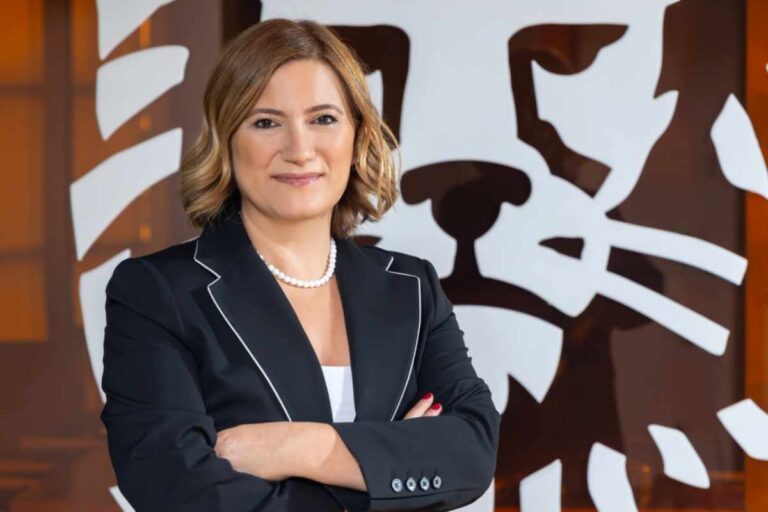
ING Türkiye is providing comprehensive support from day one to entrepreneurs starting a new business through its Yeni İşim Account, developed specifically for newly established companies. The Yeni İşim Account offers an all-in-one solution bringing together the financial and operational elements entrepreneurs need at the founding stage. Businesses can benefit from free EFT, wire transfers, FAST and SWIFT transactions available 24/7, along with cost-free banking. Those opening a Turuncu Account for İşim for the first time can also grow their savings with a high daily welcome interest rate throughout their first year. Additional support, including cashback on POS solutions and a fee-free company credit card available through commercial credit applications, further simplifies businesses’ financial and operational processes. ING Türkiye Deputy General Manager for Corporate Banking Hüsniye Ulu said, “With the Yeni İşim Account, we’re offering SMEs not just a bank account, but an integrated starter package that lets them get through their first years at lower cost and on stronger financial footing.”

Pursuing its goal of becoming the most-loved digital bank, ING Türkiye is providing comprehensive support from day one to entrepreneurs starting a new business through its Yeni İşim Account, developed specifically for newly established companies. The Yeni İşim Account offers an all-in-one solution bringing together the financial and operational elements entrepreneurs need in the early stages of starting a business. Through the digital, cost-free banking services offered as part of the package, the aim is to ease the financial burden on businesses in their first year and support their growth journey. Those starting a new business can complete the remote onboarding process without needing to visit a branch, managing their banking transactions easily through digital channels.

Cost-free money transfers and high daily interest

With the Yeni İşim Account, businesses can manage their day-to-day banking needs at no cost through free EFT, wire transfers and FAST transactions available 24/7. They can also carry out foreign currency transfers (SWIFT) free of charge through digital channels. As part of this, businesses do not pay any fee to ING or the correspondent bank on foreign currency transfers sent via ING Mobile and Internet Banking. In addition, ING does not charge any transaction fee on SWIFT transfers received into businesses’ ING Türkiye accounts, regardless of currency.

Businesses opening a Yeni İşim Account for the first time can benefit from the current high Welcome Interest rate offered under the Turuncu Account for İşim throughout their company’s first year. Thanks to this structure, which earns a high daily interest rate, businesses can put their savings to work without waiting for a maturity date, while managing their cash flow flexibly by depositing and withdrawing funds whenever needed.

Operational support for new business owners

Through the Yeni İşim Account, ING Türkiye offers entrepreneurs not just banking services, but additional benefits to help grow their businesses. Businesses that choose ING for their new cash register POS can benefit from a cash reward of up to 8,000 TL if they meet the specified turnover conditions. In addition, operational costs for businesses are reduced through supports such as a 1,500-credit advantage on e-Document integration with the LUCA Financial Advisor Package and a fee-free company credit card available through commercial credit applications.

Hüsniye Ulu: We’re offering new business owners an integrated starter package

Commenting on the matter, ING Türkiye Deputy General Manager for Corporate Banking Hüsniye Ulu said, “Managing costs correctly and planning cash flow soundly are extremely important when starting a new business. With this need in mind, at ING Türkiye we place great importance on standing by entrepreneurs from their very first steps and offering them all-in-one solutions that make their work easier. With the Yeni İşim Account, we’re offering SMEs not just a bank account, but an integrated starter package that lets them get through their first years at lower cost and on stronger financial footing. We will continue supporting entrepreneurs’ growth journeys while making their financial processes easier.”

A credit solution from N Kolay aligned with rising income

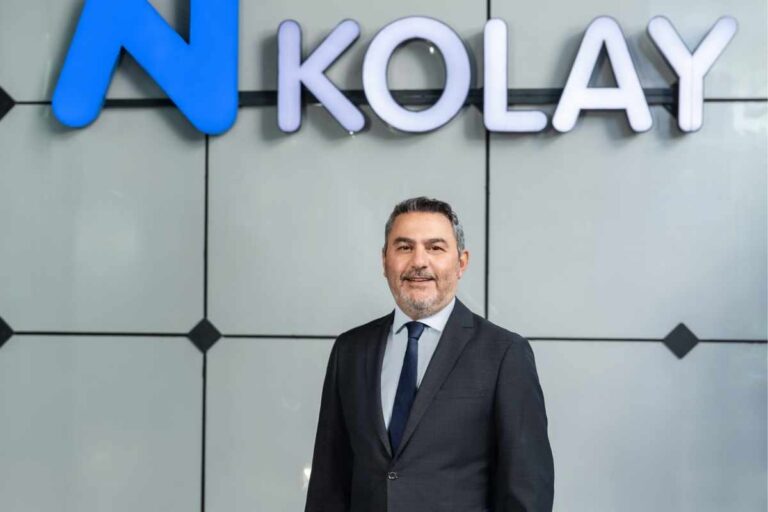
Aktif Bank’s digital banking mobile app N Kolay, part of Türkiye’s most comprehensive financial technology ecosystem, continues to develop innovative solutions tailored to changing customer needs. As part of this effort, it is launching its Increasing Installment Personal Loan product, designed to help individuals manage their cash flow more comfortably.

N Kolay’s new product, the Increasing Installment Personal Loan, offers lower installment payments in the initial months. Thanks to installments that gradually increase according to a rate set at the time of application, customers can manage their repayment plans more flexibly in line with their expected income and budget. With the increasing installment personal loan product, customers can meet their needs without straining their current budget. Describing this new solution as one of the life-easing features offered by N Kolay, Aktif Bank says, “Pay comfortably today, plan for tomorrow.”

“We’re giving our customers room to breathe in their repayment process”

Commenting on the product, Aktif Bank Deputy General Manager for Retail and Digital Banking Cem Martı said, “We closely follow our customers’ changing needs and continue to develop financial solutions that help them manage their budgets more comfortably. At a time when managing spending in a more planned way matters more than ever, individuals are placing greater value on solutions that offer them flexibility in their repayment process. Our Increasing Installment Personal Loan eases the payment burden in the initial months, giving our customers room to breathe. Installment amounts increase at rates close to inflation every six months, and repayment plans are structured in line with customers’ expected future income. This allows our customers to meet their needs without straining their current budget, while also being able to carry out their future plans with greater confidence.”

Insha GSYF Invests in SafahatAI, a Local Startup Developing AI-Based Legal Technology

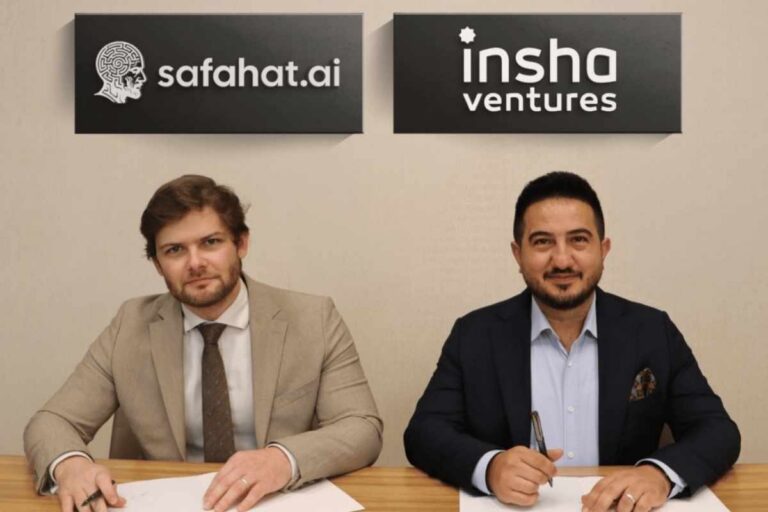
Insha GSYF, one of the venture capital investment funds established by Albaraka Portföy Yönetimi A.Ş. to invest in startups backed by Insha Ventures, a subsidiary of Albaraka Türk Katılım Bankası A.Ş., has invested in Safahat.ai, a local startup developing AI-based legal technology. The investment aims to strengthen Safahat.ai’s product development capacity, expand its enterprise integrations, and accelerate its expansion into global markets.

Albaraka Türk, Türkiye’s first and leading participation bank, continues its investments in line with its vision of supporting innovative startups shaping the future, alongside financial technologies.

Through the Insha Venture Capital Investment Fund (Insha GSYF), established in partnership with its subsidiary Albaraka Portföy Yönetimi and Insha Ventures, Albaraka Türk took part in a pre-seed investment round totaling $590,000 in Safahat.ai, which develops AI-based legal technology.

As part of the investment, Safahat.ai also aims to scale its product and business model by drawing on Insha Ventures’ experience in strategic growth, technology, business development and the fintech ecosystem.

Automating legal workflows end to end

Safahat.ai brings together enforcement proceedings, litigation processes and contract management on a single AI platform. The platform enables the automation of high-volume legal operations, including bulk case file management and petition generation from the opening of enforcement proceedings through to the seizure stage, as well as case file analysis, process tracking, contract generation, review and risk analysis. Built on an AI infrastructure specifically adapted to Turkish law and Turkish legal language, Safahat.ai can be deployed on companies’ own infrastructure through an on-premises operating model designed to meet institutions’ data security needs. This structure allows legal data to be processed without leaving the institution — particularly important for banks, financial institutions and heavily regulated sectors — while enabling legal professionals to focus on areas requiring legal reasoning, oversight and decision-making rather than repetitive operational tasks.

AI supports not just content generation but business processes too

One of the areas where Safahat.ai stands out is its use of AI not only for content generation, but also for processes such as file classification, prioritization and work allocation.

Among the platform’s key capabilities are:

Bulk case file management and automation in enforcement proceedings, Case file analysis, petition drafting and process tracking, Contract generation, review and risk analysis, AI-powered file classification and prioritization, Support for work allocation and operational decision-making processes, Two-way integration with in-house systems, An on-premises operating model in which data does not leave the institution.

Hasan Sami Bayansar: “We believe Safahat.ai carries significant growth potential”

Insha Ventures General Manager Hasan Sami Bayansar commented on the investment:

“One of the most important needs of legal teams today is managing their growing workload more efficiently. Particularly with high-volume case files, data security and proper process management matter just as much as speed. We find it valuable that Safahat.ai addresses this need with technology it has developed specifically for Turkish law and the Turkish legal language. As Insha Ventures, through our investment in Safahat.ai via Insha GSYF, we aim to play a strategic role in its fintech transformation, leading the development of next-generation financial services with our experience and capabilities in the fintech space.”

Ahmet Necip Arslan: “With this investment, we aim to launch the digital transformation of the legal world from Türkiye and carry it to a global standard”

Safahat.ai Founder Ahmet Necip Arslan said:

“At Safahat, we are developing an AI-based platform that enables end-to-end automation of legal processes. By bringing together enforcement proceedings, litigation processes and contract management within a single ecosystem, we aim to significantly reduce the operational burden on banks, law firms, public institutions and our corporate clients. What sets us apart is our AI infrastructure, built on Turkish legislation and case law, which produces hallucination-free, verifiable outputs, along with our on-premises deployment model that meets our clients’ data security needs. We are developing the same technology for the UK market and continuing our efforts targeting Gulf countries. With the strategic investment and technology support of CoFunds Girişim Sermayesi Yatırım Fonu and Insha GSYF, we aim to rapidly bring the technology we have developed in Türkiye to global markets, representing our country in the best possible way on the world stage of AI and legal technology.”

Nobel laureate Daron Acemoğlu takes the stage at Istanbul Fintech Week on October 6

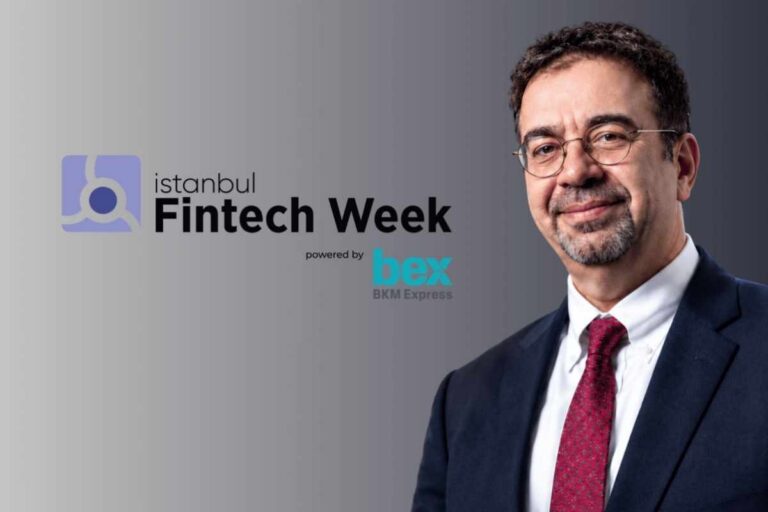
Istanbul Fintech Week 2026, organized with contributions from BEX Digital Wallet, will host Nobel laureate economist Prof. Dr. Daron Acemoğlu on its main stage on October 6. The event will bring together the ideas, technologies and decision-makers shaping the future of finance in Istanbul.

Istanbul Fintech Week, Türkiye’s first and largest global financial technology event, will be held at Hilton Istanbul Maslak on October 5-7, 2026. Under the theme “Smart, Embedded and Tokenized,” the event will bring together bankers, fintech executives, investors and regulators from Türkiye, the Middle East, Central Asia and Europe. The three-day program will address the transformation spanning AI, payments, digital banking, sustainable finance and digital assets, together with the figures shaping that transformation.

Who is technology working for?

Winner of the 2024 Nobel Prize in Economics and an Institute Professor at the Massachusetts Institute of Technology (MIT), Daron Acemoğlu brings a distinct perspective to this discussion through his work on the economic and social consequences of technological progress. In Power and Progress, co-authored with Simon Johnson, he argues that technology does not spread prosperity on its own — rather, choices about the direction of technology determine who wins and who loses.

Will AI replace humans, or will it enhance what humans can do? The framework Acemoğlu has developed on automation, employment and income distribution also points to a fundamental question for the financial sector as it integrates AI into its business models: who will the transformation create value for?

Acemoğlu, who will deliver the closing keynote of the AI in Finance Summit on October 6, will be available to all attendees holding an Istanbul Fintech Week ticket. That same evening, Acemoğlu will join senior industry executives in a closed session at the IFW Leadership Forum. Separate from the general event ticket, the Forum will be open only to senior executives whose applications have been approved.

Central banks and regulators on the same platform

At the invitation of the Central Bank of the Republic of Türkiye, the event will also be attended by senior representatives from central banks abroad, bringing the development of financial technologies together with the regulatory agenda while creating space for cross-border dialogue and cooperation.

Istanbul Fintech Week Co-Founder Demet Zübeyiroğlu commented on this year’s focus for the event: “The future of finance will be shaped not just by new technologies, but by the decisions we make about those technologies today. How AI will be used and who the transformation will create value for are now shared agenda items for the sector. That’s why we’re bringing together Prof. Daron Acemoğlu, central bank representatives, regulators and industry leaders on the same platform. At Istanbul Fintech Week, we won’t just be discussing where technology is headed — we’ll be discussing what kind of financial future we want to build with these technologies.”

The transformation of finance, across five summits

The program — consisting of the Sustainable Finance, Payments, AI in Finance, Digital Banking and Digital Assets summits — will feature closed-door roundtable discussions alongside the main stage sessions.

The Payments Summit will open with a session led by Interbank Card Center (BKM) General Manager Ozan Deniz. Garanti BBVA Payment Systems General Manager Kerem Orbay will take part in a conversation addressing the embedding of payments into commerce. Cross-border payment infrastructure will be discussed in a panel featuring Ripple’s Middle East and Africa General Manager Reece Merrick. Remitly CEO Sebastian J. Gunningham is also among the event’s speakers.

How AI is transforming risk management and cybersecurity at financial institutions will be addressed in a keynote by Cognitive Finance Group CEO Clara Durodié. Bridge API CEO Anna Maj, who will deliver the opening keynote of the Digital Banking Summit, will focus on banking’s shift toward modular architectures.

Is AI a reinvention for banking, or a fundamental disruption? This question will be addressed on October 7 in the “The Intelligent Bank: Reinvention or Disruption?” panel at the Digital Banking Summit, featuring Akbank Deputy General Manager for Digital Solutions and Strategy Şebnem Dağ Güven. The growth potential of digital banking will also be among the program’s discussion topics. A panel featuring Hüseyin Demirhisar, who oversees global operations at Bunq, one of Europe’s largest digital banks, will assess whether branchless banking has achieved scale. Having brought together more than 17,000 attendees from over 60 countries since 2019, Istanbul Fintech Week has hosted more than 630 speakers to date. This year, the event will once again bring the international dialogue of the financial world to Istanbul.

Support from leading institutions in the financial ecosystem

Istanbul Fintech Week 2026, organized with contributions from BEX Digital Wallet, has BKM Express as its title sponsor. Garanti BBVA is a Black Sponsor; Akbank LAB, TROY and Türkiye İş Bankası are Diamond Sponsors; and Ripple and Priority Pass support the event as C-Suite Sponsors. The Association of Payment and Electronic Money Institutions (TÖDEB) is taking part as a strategic partner, while Invest in Türkiye, under the Presidential Investment Office, is also among the event’s supporters.

For the program, speakers and attendance information: istanbulfintechweek.com

Stablex CEO Burcu Küçükünal: Publishing MKK-reported data within a standardized framework will create a shared reference point for the sector

The Central Securities Depository of Türkiye (MKK) has begun sharing market data it collects under the Crypto Asset Central Registry System (KVMKS) with the public on a daily basis. Burcu Küçükünal, CEO of Stablex, an Akbank subsidiary, noted that publishing data reported to MKK by regulated platforms within a standardized framework could create a shared reference point for the sector, adding that regular data sharing would help make the market more measurable.

Türkiye’s crypto asset market is going through a period of transformation shaped by licensing processes, custody infrastructure, capital markets regulations and operational standards. MKK’s move to begin publishing on a daily basis the market data it collects under KVMKS also offers a new opportunity to track the sector’s development through data.

A SHARED REFERENCE POINT FOR THE SECTOR

Noting that assessments of the size of Türkiye’s crypto market, the number of investors, and the platform ecosystem have so far had to rely on various studies and industry estimates, Küçükünal said that publishing data reported to MKK by regulated platforms within a standardized framework could create a comparable data foundation. “Having a shared reference point for the sector can help investors, as well as regulatory bodies, financial institutions, academics, research firms, media and institutional investors, access more data about the market and base their assessments on that data,” Küçükünal said.

Noting that Stablex views MKK’s data sharing as important for the development of the sector’s data infrastructure, Küçükünal said, “We attach importance to the increase in regular and standardized data production within the crypto ecosystem. We believe that this kind of data infrastructure can contribute over time to Türkiye’s goal of becoming a regional digital asset hub.”

DATA QUALITY AND REPORTING WILL BECOME MORE VISIBLE

Noting that the regular publication of data could also diversify the criteria used in assessing crypto asset service providers, Küçükünal said that factors such as data quality, operational discipline, reporting accuracy, compliance with the regulatory framework and sustainable growth could become more visible. Noting that standardized data production could expand the dataset that banks, portfolio management companies and other financial institutions can draw on for their market and risk assessments, Küçükünal said this structure could, over time, also make it possible to track the sector’s development more comprehensively.

HISTORICAL DATA WILL MAKE IT EASIER TO TRACK THE SECTOR’S DEVELOPMENT

Noting that the data now being disclosed daily will form historical data series over time, Küçükünal said, “Going forward, investor behavior, market growth trends, asset distributions, transaction volumes and sector development indicators will be able to be analyzed more comprehensively. This data can become a resource that is used not only in regulatory processes but also in product development, risk management and innovation.”

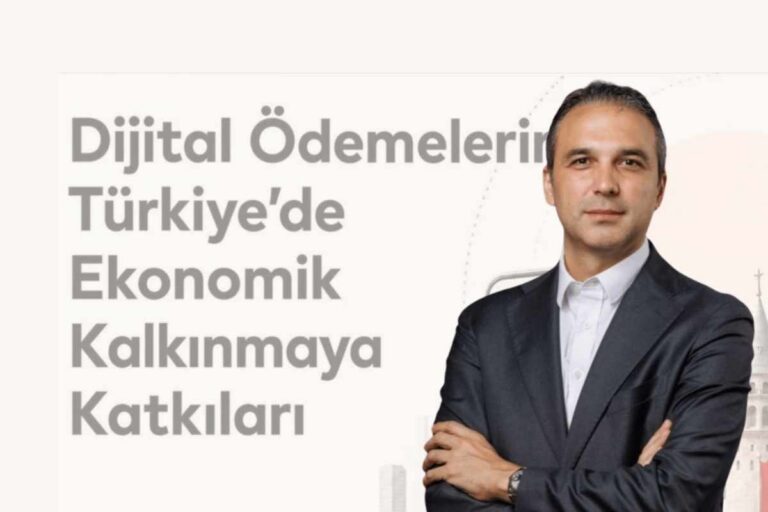
Mastercard reports on the Contribution of Digital Payments to Türkiye’s Economy

Mastercard has published its report titled “The Economic Contributions of Digital Payments to Development in Türkiye,” presenting data on the contribution digital payments make to the Turkish economy. According to European Central Bank (ECB) data as of the end of June 2025, Türkiye overtook Spain in the number of credit cards, becoming Europe’s largest market.

According to the report, Türkiye has 142 million credit cards and 319 million debit cards, including prepaid cards, while annual card payments reached 24.1 trillion lira in 2025.

Prepared by Mastercard Türkiye Consulting Services, the report examines three main areas: rising tax revenues driven by a decline in informality, contributions to household consumption, and service exports supporting tourism revenues.

The study also examines the cost of cash usage to the public sector, banks, companies and consumers.

While digital payment penetration in Türkiye stands at 69 percent, closing in on the 95 percent level seen in mature markets holds the potential to further increase the economic contribution — an outcome for which cooperation across the entire ecosystem, including the public sector, banks, payment institutions, payment schemes and fintechs, is important.

As digital payments support household consumption through a fast and alternative payment experience, calculations adapted to Turkish data show they created an impact of approximately 1.5 trillion lira on household consumption in 2025.

The highest contribution was seen in travel, at 546 billion lira, while the restaurant sector ranked second with 427 billion lira. Furniture and electronics, clothing, and accommodation were also among the areas where digital payments made a notable contribution.

The share of card payments in household payments reached 54 percent for personal cards in 2025, rising to 69 percent when commercial cards are included.

The increasingly widespread card payment infrastructure in Türkiye is making it easier for foreign tourists to spend money, making the country more attractive to tourists.

Tourism revenues rose from $7.6 billion in 2000 to nearly $65 billion in 2025 — an increase of roughly 8.5 times — while the share of card payments in tourism revenues rose from 15 percent to approximately 38 percent.

As a result, digital payments contributed 388 billion lira, or $9.8 billion, to tourism revenues in 2025.

“Over the past 30 years, Türkiye has undergone a transformation in digital payments held up as a global example”

The report, which also calculates the costs cash usage imposes on the economy, estimates that the direct cost of banknote printing to the Central Bank of the Republic of Türkiye (CBRT) was 4.4 billion lira in 2025, while the cost of cash circulation to banks exceeded 65 billion lira.

The cash handling cost for companies approached 34 billion lira, while the total cost passed on to consumers is estimated to have exceeded 8.1 billion lira.

By ensuring sales are recorded, digital payments increase transparency and also support tax collection.

The total contribution of these payments to Value Added Tax (VAT), Special Consumption Tax (SCT), Corporate Tax and Income Tax items reached 574 billion lira in 2025, an amount corresponding to approximately 5 percent of Türkiye’s total tax revenues.

The impact on reducing informality is particularly notable among micro, small and medium-sized enterprises, with card payments made at these businesses accounting for approximately 40 percent of total card payments in Türkiye.

Highlighting AI-assisted commerce as one of the new areas of transformation in the payments ecosystem, the report reveals that AI agents carrying out product search, comparison, purchasing and post-purchase processes are adding a new decision-making layer to commerce.

Through solutions that bring together tokenization, trusted agent verification mechanisms and AI platforms, Mastercard aims to enable these transactions to take place securely and at scale.

The company, which is developing AI-powered shopping assistant solutions together with financial institutions in Türkiye, views Türkiye as a strategic priority in this area.

Mastercard has been supporting this transformation in Türkiye for 30 years with a portfolio spanning card products, digital payment solutions and value-added services.

Masterpass has reached 45 million users in Türkiye, while the company’s card products along with the Priceless and MTR platforms offer benefits and experiences for cardholders.

Tap on Phone, meanwhile, facilitates more than 10 million transactions per month through over 200,000 terminals across Türkiye, while the company contributes to the secure and sustainable growth of the payments ecosystem through MasterKOBİ, contactless and mobile payment infrastructure in public transportation, Mastercard Send, and cybersecurity solutions.

Commenting in the statement, Mastercard Türkiye and Azerbaijan General Manager Onur Faydacı said the company was proud to contribute to the development of the ecosystem through secure, innovative and inclusive solutions.

Faydacı emphasized that the company will continue working to make the digital payments ecosystem more inclusive going forward and to strengthen Türkiye’s leading position in next-generation areas such as AI-assisted commerce, adding:

“Over the past 30 years, Türkiye has undergone a transformation in digital payments that is held up as a global example. The report shows that digital payments are not just a payment method — they are an important driver of development, from economic growth to a stronger registered economy, from tourism revenues to business efficiency.”

Visa announces new version of Visa Vulnerability Agentic Harness (VVAH)

New services from Visa’s Consulting and Analytics unit are helping institutions identify their most critical security vulnerabilities and act before malicious actors do. The new version of Visa Vulnerability Agentic Harness (VVAH) extends AI-powered cyber risk management into a process that spans from vulnerability detection through to verification of remediation.

Visa continues to expand its cybersecurity portfolio to help institutions more effectively identify and remediate security vulnerabilities. As part of this effort, Visa has released a new version of its open-source, model-agnostic framework, Visa Vulnerability Agentic Harness (VVAH).

The new version aims to significantly reduce institutions’ Mean Time to Adapt (MTTA) — the time between the discovery of attack paths and the remediation of those vulnerabilities. For some vulnerabilities, this timeframe can be reduced from weeks to hours.

Visa is also expanding its Visa Consulting and Analytics (VCA) Cybersecurity Advisory Practice to help institutions better manage the evolving threat landscape. The new advisory services help institutions assess their risks, prioritize vulnerabilities that need to be addressed, and strengthen their resilience against the changing threat environment.

Visa Chief Technology Officer Rajat Taneja said, “AI is shortening the time between the discovery of a vulnerability and its exploitation. That means defense teams need a much faster and more reliable path to act. By advancing VVAH and expanding our cybersecurity advisory capabilities, we’re helping institutions move faster from insight to remediation — while also helping them build resilience in a threat landscape increasingly shaped by AI.”

VVAH’s scope is expanding

Released following Visa’s participation in Project Glasswing, Anthropic’s cybersecurity initiative focused on advanced AI systems, VVAH helps security teams detect vulnerabilities using AI, assess the likelihood of those vulnerabilities being exploited, and systematically present the results.

The new version extends this process beyond the discovery stage, also enabling the remediation of vulnerabilities and verification of the fixes applied.

Key improvements in the new version include:

Feedback-driven remediation refinement: When a fix fails verification, teams receive feedback on what still needs to be corrected, so they don’t have to restart the process from scratch.

Flexible model selection: Institutions can now use approved Anthropic models and OpenAI models, among many other AI models, purely through configuration — without any code changes.

Greater visibility: Optional real-time progress views provide greater transparency during long-running scanning and vulnerability remediation processes.

The framework helps institutions detect, assess, remediate, and verify fixes for security vulnerabilities.

New cybersecurity services

To help institutions translate findings and insights into business processes, Visa Consulting and Analytics is also offering three new cybersecurity advisory services developed from Visa’s AI-powered cybersecurity experience:

AI Cyber Leadership Education — covers executive training, workshops, and Visa University certificate programs led by Visa’s AI and cybersecurity experts. These programs are built on Visa’s expertise in AI and cybersecurity, helping leaders prepare for a threat landscape increasingly shaped by AI.

VVAH-Informed Cybersecurity Maturity Assessment — helps institutions use the VVAH framework to identify and assess potential security vulnerabilities, understand risk areas, and prioritize vulnerabilities that need to be addressed.

VVAH Cyber Risk Prioritisation and Roadmap — provides institutions with strategic guidance on evaluating findings, prioritizing vulnerabilities that need remediation, and building a long-term cyber risk management roadmap.

Visa Türkiye General Manager Samile Mümin said, “AI is accelerating both cyberattacks and the detection of cyber risks. In this environment, it matters just as much for institutions to be able to see the risks they face as it does for them to take concrete steps to remediate vulnerabilities faster. Through the cybersecurity advisory services we’ve developed, we’re bringing together the experience we’ve gained from Project Glasswing, our open-source VVAH solutions, and our expertise in payment systems across Europe. We’re helping institutions focus on their most significant risks, strengthen their response capabilities against those risks, and build the resilience needed to keep pace with a threat landscape being rapidly reshaped by AI.”

Growing interest in VVAH across the cybersecurity world

Since VVAH was made available as open source in June 2026, it has been downloaded by tens of thousands of developers worldwide, reflecting growing interest in AI-powered vulnerability management.

Visa is also involved in industry initiatives supporting the development of secure and open applications amid the rapid pace of progress in AI.

As part of NVIDIA’s Open Secure AI Alliance initiative, Visa is making VVAH available to developers as a model-agnostic framework. Visa is also working alongside other institutions under IBM and Red Hat’s Project Lightwell initiative to strengthen the security of open-source software.

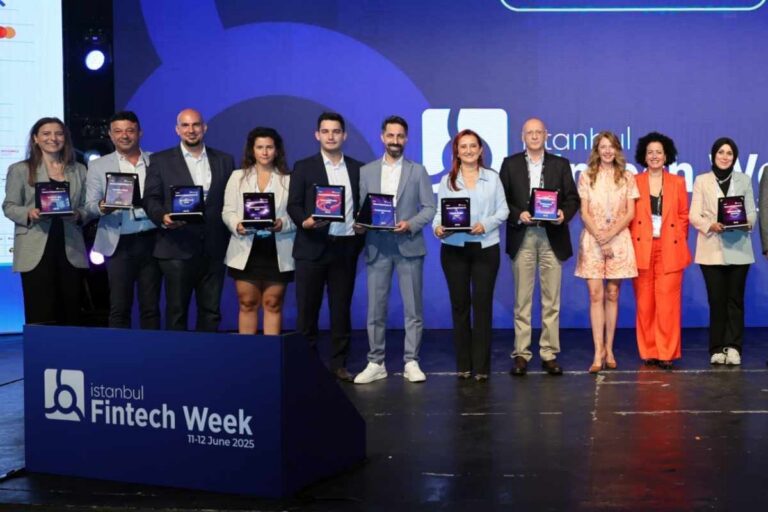
Pioneers of Digital Finance Awards to Be Presented at Istanbul Fintech Week 2026: Application Deadline September 18

Istanbul Fintech Week, Türkiye’s first and largest global financial technology event, will open its doors at Hilton Istanbul Maslak on October 5-7, 2026. Applications are underway for the fourth edition of the Pioneers of Digital Finance Awards, organized in partnership with KPMG Türkiye as part of the event. The program, which launched in 2023 with the participation of the Presidency Finance Office by honoring seven institutions, has since received more than 100 applications and brought over 20 banks and fintechs to the stage.

APPLICATION DEADLINE: SEPTEMBER 18

Banks and fintechs developing a new financial technology solution, digital banking service, or financial inclusion initiative can complete their applications at istanbulfintechweek.com/awards. The final application deadline for this year’s Pioneers of Digital Finance Awards has been set as September 18.

CENTRAL BANKS IN THE ROOM TOO

Organized with contributions from BEX Digital Wallet, this year’s supporters of Istanbul Fintech Week 2026 also include TÖDEB and Invest in Türkiye. The participation of representatives from the Central Bank of the Republic of Türkiye as well as central banks from around the world takes the awards ceremony beyond a mere industry gathering.

WHAT DO WINNERS RECEIVE?

Brands deemed worthy of an award under the Pioneers of Digital Finance Awards will be announced at a ceremony to be held at Hilton Istanbul Maslak on October 6, 2026, in front of thousands of industry professionals. Award-winning projects will receive an award bearing the KPMG name and gain the opportunity to share their story with a wide audience and access the region’s strongest fintech network.

This year’s program at Istanbul Fintech Week, which brings together fintech ecosystems across Europe, the Middle East and Africa, is structured around the themes of sustainable finance, AI in finance, payments, digital banking, digital assets — tokenization and stablecoins — and a leadership forum.

EIGHT CATEGORIES, TWO SEPARATE COMPETITIONS

On the banking side, there are four award categories. Institutions that pave the way and set direction in digital banking compete in the Pioneer category; those placing AI and other emerging technologies at the center of their products compete in Visionary; those growing alongside the ecosystem through APIs and fintech partnerships compete in Collaborative; and projects that bring financial services to broader audiences are evaluated in the Financial Inclusion category.

There are also four award categories on the fintech side. Companies that originated in Türkiye and have grown beyond its borders compete in Global Fintech; startups no more than three years old compete in Emerging Fintech; those bringing genuine innovation to the market compete in Innovative Fintech; and those expanding financial inclusion compete in the Financial Inclusion category.

LEADING INDUSTRY FIGURES ON THE JURY

The 2026 jury is made up of leading figures from both the banking and fintech sides of the industry, with the panel expanded this year. Two separate juries, convened for banks and fintechs respectively, evaluate each submitted project directly. Every application is scored using a 100-point framework consisting of common and category-specific questions, with the top three finalists determined in each category. Applying does not only mean a chance at an award — it also means having the project reviewed by these industry figures.

COLENDI AND TARFIN HAVE TAKEN THE STAGE TOO

In previous years, Pioneers of Digital Finance award winners on the banking side have included Türkiye İş Bankası, Akbank, Kuveyt Türk, Fibabanka and QNB Finansbank. On the fintech side, companies that have expanded abroad such as Colendi, Sipay and United Payment have taken the stage, alongside Tarfin, Cenoa, FaturaLab, TeamSec, Mall IQ, AIATUS, GTech and Garanti BBVA Kripto.

The fact that winners have also included teams still in their growth stage shows that the award is not limited to a single scale of company.

Istanbul Fintech Week Co-Founder Demet Zübeyiroğlu commented on the program: “When I look at this list, what I see isn’t a scoreboard — it’s a trajectory. Some of the names we’ve seen on stage were startups nobody knew a few years ago. A team that applies gets to present its project to a table made up of the industry’s most senior figures — even if they don’t win the award.”

KPMG Türkiye Fintech and Digital Finance Leader Sinem Cantürk commented on the evaluation process: “For four years, we’ve been asking the same question: what has really changed in this sector? What we see when reading the applications isn’t a list of technologies — it’s the story of teams that have grown their business. That’s also why we expanded the jury this year — more perspectives means a more accurate evaluation.”